El Niño set to become very strong, raising risks of extreme weather into 2027 - WMO

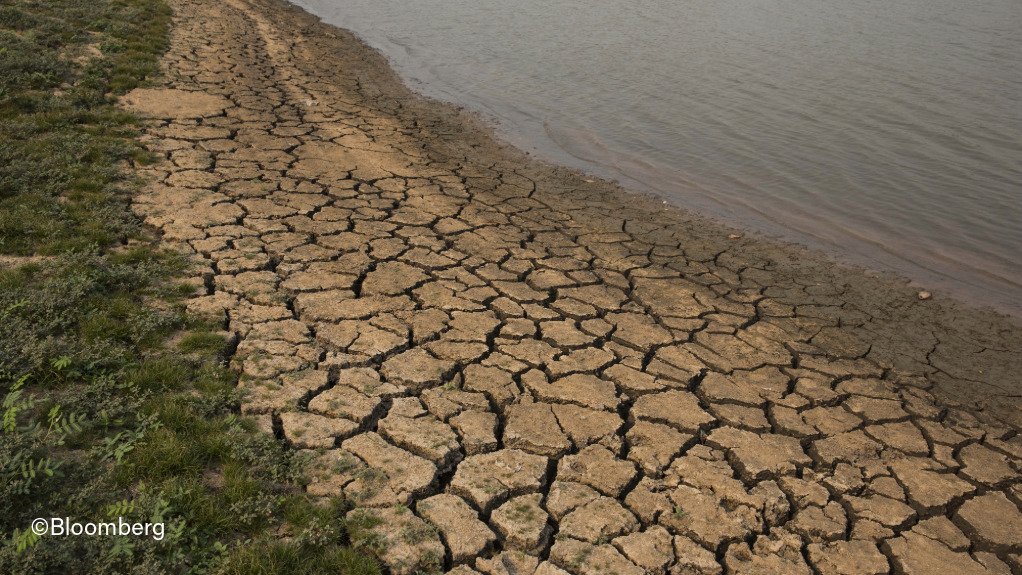


The World Meteorological Organisation (the WMO) says the El Niño weather event is firmly established and will intensify into a very strong event in the coming months, with big impacts on rainfall and temperature patterns and associated risks of floods, drought and extreme heat.
Forecasts from the WMO’s Global Producing Centres indicate an “exceptionally high likelihood of nearly 100%” that El Niño will persist through to February 2027. This is the first time that a WMO El Niño/La Niña update has been so unequivocal, reflecting the strong agreement within the WMO’s extensive network.
Fuelled by exceptionally warm ocean conditions across the tropical Pacific, El Niño is expected to strengthen further during the coming months to a very strong intensity before peaking towards the end of this year, with climate impacts continuing well into 2027.
“El Niño is being supersized before our eyes. The science leaves no room for doubt: the planet is in uncharted waters, and those waters are heating up. Sea surface temperatures are rising, temperatures keep climbing, and the world is in the danger zone of extreme weather.
“The race now is between rising risks and our commitment to take climate action and protect people. We must win that race,” says UN secretary-general António Guterres.
WMO secretary-general Celeste Saulo explained that this exceptional El Niño demands exceptional preparation and response.
“Never before in the 50-year history of the WMO have we launched such a major mobilisation with National Meteorological and Hydrological Services who are on the frontline of delivering the forecasts and services to save lives and livelihoods.
“The WMO is committed to working closely with partners across the UN and humanitarian system to provide the climate intelligence and insights needed to support disaster management and climate-sensitive sectors,” says Saulo.
The WMO explains that El Niño and La Niña are among the most powerful naturally occurring influences on the global climate system, noting that a very strong event increases the likelihood of major changes in rainfall, temperatures and atmospheric circulation across many regions of the world.
However, it notes that the strength of an El Niño event alone does not determine how severe its impacts will be in any individual country or region. Its effects vary according to location and season and can be modified by other climate drivers, including conditions in the Indian and Atlantic Oceans.
From September to November, the WMO multi-model forecasts indicate an increased likelihood of above-normal temperatures across almost all land areas, alongside rainfall patterns showing a pronounced and classic atmospheric response to the strong Pacific El Niño.
The WMO explains that there is a marked east-west contrast in precipitation probabilities across the equatorial zone.
It notes that the Greater Horn of Africa exhibits an enhanced probability for above-normal rainfall, whereas equatorial West Africa, extending westward from Central Africa, shows an enhanced probability for below-normal rainfall.
Flanking this equatorial belt to the north, a weak enhancement in the probability for above-normal rainfall is indicated over northern Africa. Over Southern Africa, the rainfall signal is generally weak to neutral, with localised enhancements in below-normal rainfall probabilities along eastern coastal areas.
The WMO says its members and partners will continue to closely monitor the evolution of the event and regularly update forecasts of its likely regional impacts.
It notes that national meteorological and hydrological services remain the authoritative source of official warnings and locally relevant climate information.
The WMO states that El Niño is a natural climate phenomenon and not caused by climate change.
Article Enquiry
Email Article
Save Article
Feedback
To advertise email advertising@creamermedia.co.za or click here
Projects
Latest Multimedia

Latest News
Showroom
Supplier & Distributor of the Widest Range of Accurate & Easy-to-Use Alcohol Breathalysers
VISIT SHOWROOM
Rio Carb is an OEM (Original Equipment Manufacturer) of R-C700 Chromium Carbide (CrC) alloy clad wear plates and pipes used for heavy materials...
VISIT SHOWROOM



Press Office
Announcements
What's On
Subscribe to improve your user experience...
Option 1 (equivalent of R125 a month):
Receive a weekly copy of Creamer Media's Engineering News & Mining Weekly magazine
(print copy for those in South Africa and e-magazine for those outside of South Africa)
Receive daily email newsletters
Access to full search results
Access archive of magazine back copies
Access to Projects in Progress
Access to ONE Research Report of your choice in PDF format
Option 2 (equivalent of R375 a month):
All benefits from Option 1
PLUS
Access to Creamer Media's Research Channel Africa for ALL Research Reports, in PDF format, on various industrial and mining sectors
including Electricity; Water; Energy Transition; Hydrogen; Roads, Rail and Ports; Coal; Gold; Platinum; Battery Metals; etc.
Already a subscriber?
Forgotten your password?
Receive weekly copy of Creamer Media's Engineering News & Mining Weekly magazine (print copy for those in South Africa and e-magazine for those outside of South Africa)
➕
Recieve daily email newsletters
➕
Access to full search results
➕
Access archive of magazine back copies
➕
Access to Projects in Progress
➕
Access to ONE Research Report of your choice in PDF format
RESEARCH CHANNEL AFRICA
R4500 (equivalent of R375 a month)
SUBSCRIBEAll benefits from Option 1
➕
Access to Creamer Media's Research Channel Africa for ALL Research Reports on various industrial and mining sectors, in PDF format, including on:
Electricity
➕
Water
➕
Energy Transition
➕
Hydrogen
➕
Roads, Rail and Ports
➕
Coal
➕
Gold
➕
Platinum
➕
Battery Metals
➕
etc.
Receive all benefits from Option 1 or Option 2 delivered to numerous people at your company
➕
Multiple User names and Passwords for simultaneous log-ins
➕
Intranet integration access to all in your organisation